
 HindiMy Name Is Khan2010 · 165 min · ★ 8.0
FullyMaza: Indian cinema in five languages plus Hollywood favourites, from Dangal, PK and Jersey to Kumbalangi Nights, Anbe Sivam and Carry On Jatta, and where to watch them
180 films in Hindi, Tamil, Telugu, Malayalam, Punjabi and English, each with an English summary and a Watch now button.
Bollywood
View all (45) Hindi
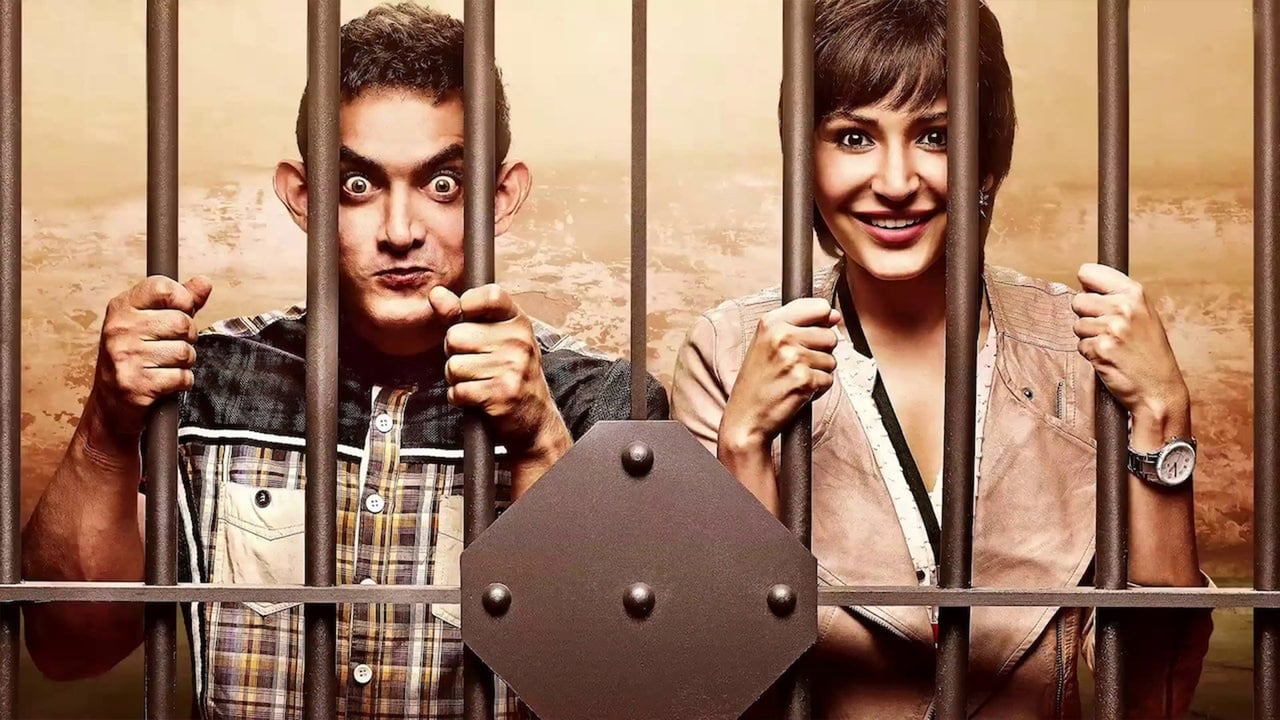 Hindi
 Hindi
 Hindi
 Hindi
Tamil
View all (30)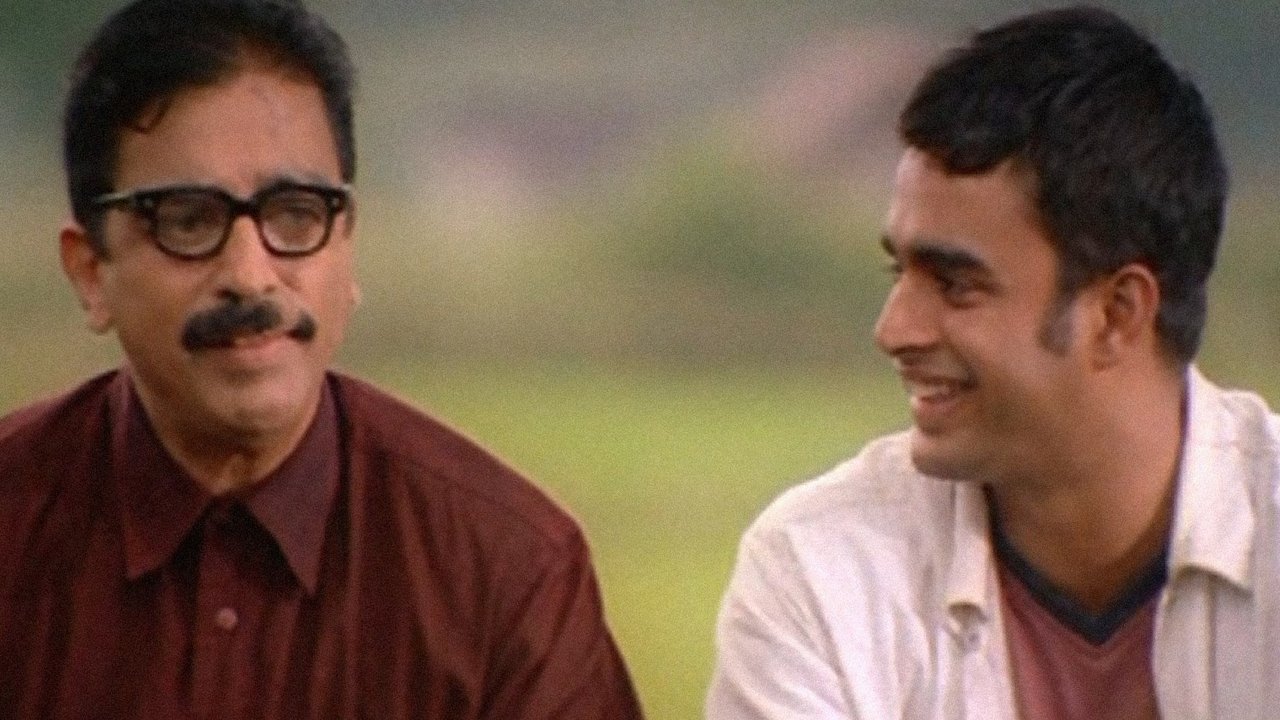 Tamil
 Tamil
 Tamil
 Tamil
 Tamil
 Tamil
Telugu
View all (30) Telugu
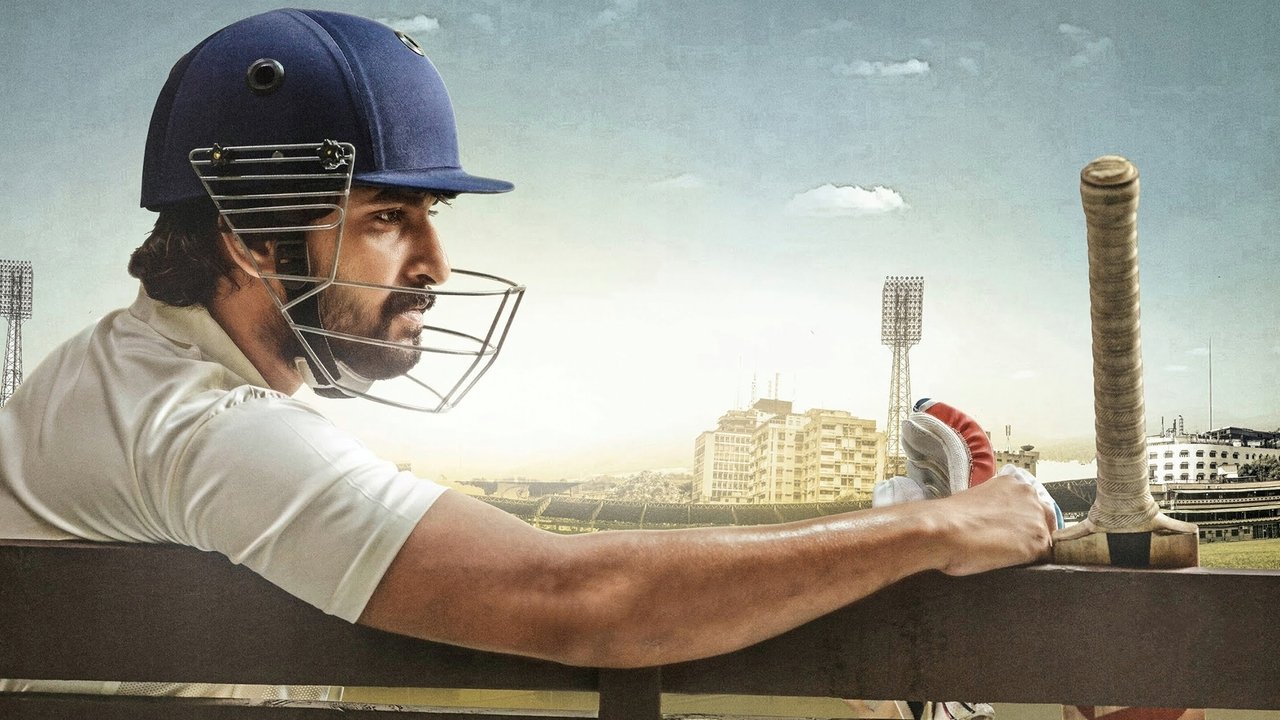 Telugu
 Telugu
 Telugu
 Telugu
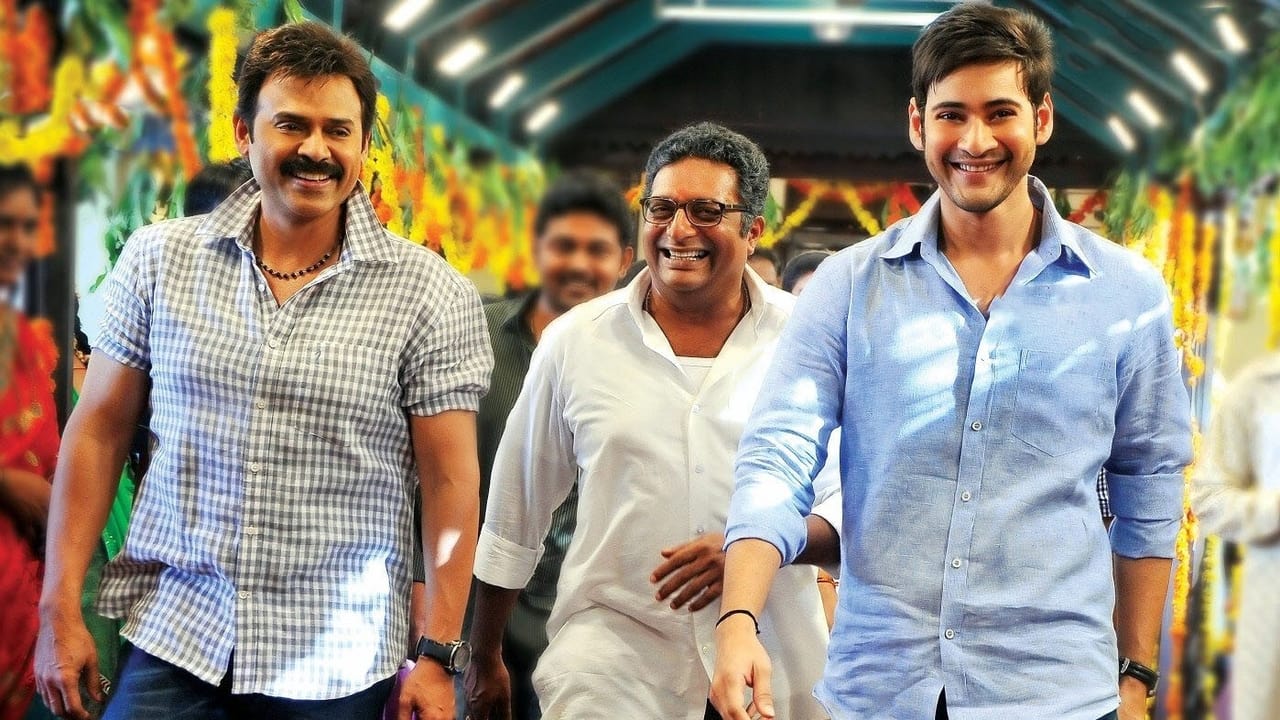 Telugu
Malayalam
View all (30) Malayalam
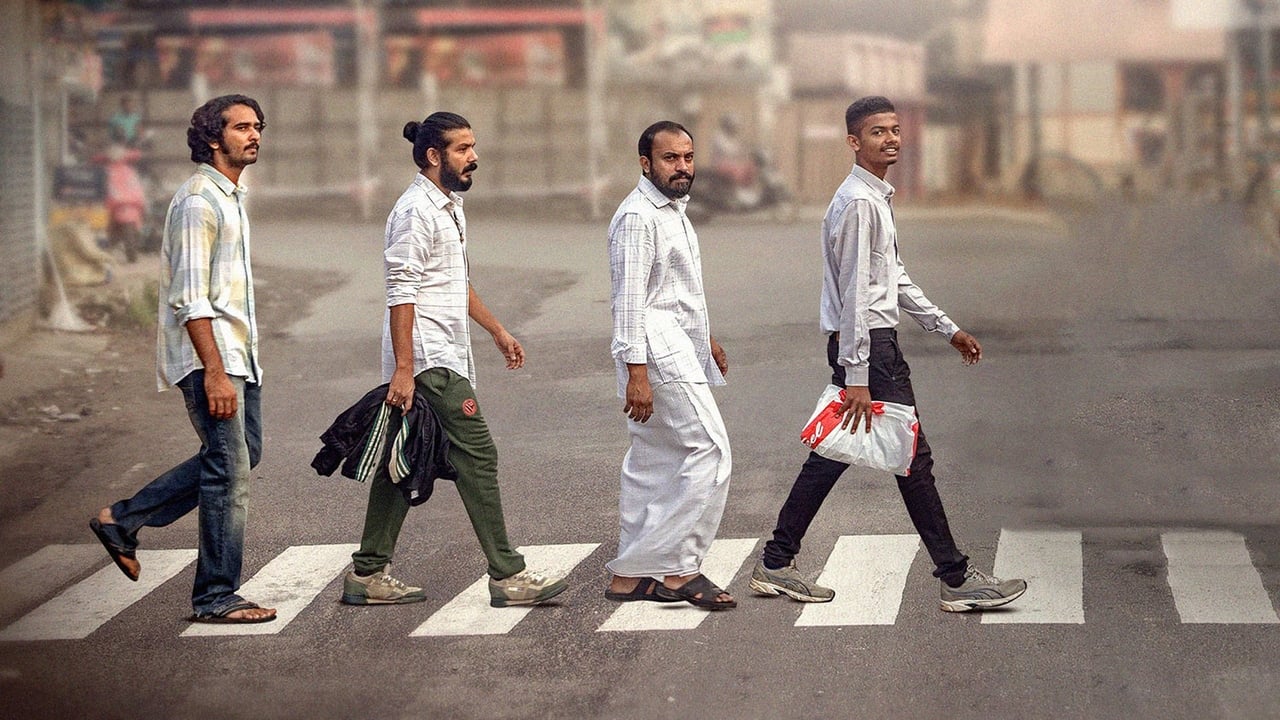 Malayalam
 Malayalam
 Malayalam
 Malayalam
 Malayalam
Punjabi
View all (20) Punjabi
 Punjabi
 Punjabi
Hollywood
View all (25) English
 English
 English
The FullyMaza guide to Indian cinema in five languages
FullyMaza: Indian cinema in five languages plus Hollywood favourites, from Dangal, PK and Jersey to Kumbalangi Nights, Anbe Sivam and Carry On Jatta
India is less a single film industry than a family of them. Mumbai makes films in Hindi, Chennai in Tamil, Hyderabad in Telugu, Kochi in Malayalam and Chandigarh in Punjabi, each with its own stars, its own humour and its own music, and for most of their history audiences in one region saw little of the others. That has changed. Viewers who once knew only Bollywood now swap recommendations for a Malayalam comedy or a Telugu sports drama, and the word maza, which means fun, applies to all of it. FullyMaza is a guide to that wider family. It gathers 180 films made between 1957 and 2025 by 149 directors, 415 hours in all, and files them by industry: 45 in Hindi, 30 each in Tamil, Telugu and Malayalam, 20 in Punjabi, and 25 Hollywood family adventures of the kind that play well in any language.
Every film has a page with its cast, its director, its running time, its rating and a summary in English, and a button that leads to the official services where it can be watched. The catalogue was chosen by hand for a household audience. Indian popular cinema is made for three generations to watch together, and that is the spirit here: 121 of the films are dramas in whole or in part, 120 are comedies, seventy are love stories and fifty are marked for family viewing, with most belonging to more than one group.
This guide takes each industry in turn, beginning with Hindi and travelling south, then looks at the films by kind, at stories that have been told in more than one language, and at the stars who cross from one industry to another. Questions and answers close the page. The short page on how to watch with FullyMaza covers the practical steps.
How FullyMaza works
The site has the open, friendly look of a film blog. A white bar at the top carries the name, with an orange play mark, and a search field. Under it runs an orange menu: All movies, Bollywood, Hollywood, Punjabi, Tamil, Telugu, Malayalam, the A-Z index and My List. The link for the page you are on turns purple. The page behind is a pale lavender grey, and the films sit on it as white cards.
Each card has a wide still from the film across the top, with a purple label in the corner naming the language. Below the still are the title in bold and a slate-grey line giving the year, the running time and the rating. On the home page the cards are grouped by industry under orange headings, six each for Bollywood, Tamil, Telugu and Malayalam and three each for Punjabi and Hollywood, always the most popular titles of the group. The View all link beside each heading opens the full shelf.
A film page sets out the poster, the title, the year, the running time, the genres and the rating, followed by a summary in English whatever the language of the film. The director and the leading cast come next, and each name is a link to that person's other films on FullyMaza, which is especially useful with performers who work in several languages. The orange Watch now button stands beside a menu of fifteen countries, with India first. Choose yours, press, and JustWatch opens with the subscription, rental, purchase and free services that carry the film there. Those services provide the subtitles and any dubbed versions; FullyMaza is the guide that tells you what is worth looking for.
The search field accepts titles, people and years. Type Nani and three Telugu films appear. Type Kamal Haasan and you receive five Tamil comedies and dramas. Type Dulquer and the results span four languages. The page on finding titles lists every route, and the My List page explains the personal shortlist kept in your own browser.
Bollywood: forty-five films in Hindi
The Hindi shelf is the largest, and it is drawn from a period, 2010 to 2019, when Mumbai's film-makers turned toward real towns and real families and found their biggest audiences by doing so. Dangal is the outstanding example. It tells the true story of a wrestler from a village in Haryana who trains his daughters in a sport their neighbours consider unsuitable for girls, and it builds to a final bout that has audiences on their feet. Aamir Khan plays the father at two ages, and the film is rated 7.9.
Khan also leads PK, a comedy in which a stranded visitor from another planet asks innocent questions about the customs of Earth, and has a supporting role in Secret Superstar, about a schoolgirl who posts her songs online with her face hidden. Bajrangi Bhaijaan, rated 7.8, follows a simple, devout man across the border to Pakistan to take a lost little girl home. My Name Is Khan, the highest rated Hindi film here at 8.0, sends Shah Rukh Khan across the United States with a single message to deliver.
The decade's quieter films are just as rewarding. The Lunchbox grows from a mistake in Mumbai's lunch delivery service into a friendship carried on by handwritten notes. Piku is a road comedy about a daughter and her exasperating father. Queen sends a jilted bride on her honeymoon alone, and English Vinglish a homemaker to a language class in New York. Hindi Medium, Badhaai Ho, Dum Laga Ke Haisha and Sui Dhaaga - Made in India are comedies set among ordinary families in ordinary towns, and they are some of the warmest films of their time.
Children have a corner of their own. Stanley Ka Dabba is about a boy who arrives at school each day with empty hands at lunchtime and a head full of stories. Dhanak follows a girl and her blind younger brother across the desert of Rajasthan to meet a film star they believe can help him. I Am Kalam, at eighty-nine minutes the shortest film on the site, is about a boy at a roadside food stall who dreams of going to school, and Nil Battey Sannata about a mother who enrols in her own daughter's class.
True stories fill another part of the shelf: the sprinter of Bhaag Milkha Bhaag, the boxer of Mary Kom, the hockey player of Soorma, the teacher of Super 30, the inventor of Pad Man and the cricket captain of M.S. Dhoni: The Untold Story, which at three hours and ten minutes is the longest film on FullyMaza. Chhichhore, Hichki and The Sky Is Pink, all rated 7.6 or higher, are dramas about young people and those who believe in them. The Bollywood guide sorts the shelf by mood.
Tamil cinema: thirty films
Tamil cinema, made in Chennai, is one of the oldest and most inventive of India's industries, and its thirty films here span four decades. One performer dominates them. Kamal Haasan, who began acting as a small child, appears in five, and they show his extraordinary range. In Anbe Sivam, rated 7.7, he plays a scarred, good-humoured trade unionist who finds himself travelling across a flooded countryside with a self-satisfied young advertising man, played by Madhavan; by the journey's end the younger man has learned what kindness costs and what it is worth. Many viewers count it among the finest Tamil films ever made.
The other four are comedies. In Michael Madana Kama Rajan, Haasan plays four brothers separated at birth, a cook, a fireman, a businessman and a rogue, whose paths cross in a single chaotic weekend. In Avvai Shanmugi, he disguises himself as an elderly nanny in order to stay close to his young daughter. Thenali casts him as a man with a fear of nearly everything who follows his doctor on holiday, and Vasool Raja MBBS as a kind-hearted local tough who enrols in medical school to please his parents.
The director Mani Ratnam is represented by two films that changed the Tamil love story. Mouna Raagam, from 1986 and rated 7.9, follows a young woman into an arranged marriage with a patient stranger while she still grieves for a lost love. Alaipayuthey, from 2000, asks what happens after the romance, when a couple who married in secret must learn to live together. Its songs, by A. R. Rahman, are still sung. Rahman also scored Vinnaithaandi Varuvaayaa, in which an aspiring film director falls for the girl upstairs, and Jeans, a comedy of twins filmed at famous sights around the world.
A newer generation has made smaller, sharper films. Kaaka Muttai, rated 7.8, is about two brothers from a Chennai settlement who see a pizza advertised on television and set out to earn enough to taste one. Mandela is a satire in which a village barber discovers that his single vote will decide the local election and that both candidates are suddenly his friends. Meiyazhagan, the highest rated Tamil film here at 8.2, is a gentle story of a man who returns to his home town after twenty years and spends a long evening with a cheerful relative whose name he is too embarrassed to ask. Tourist Family, from 2025, follows a family newly arrived in Chennai who win over a whole street.
The rest of the shelf is full of pleasures: Naduvula Konjam Pakkatha Kaanom, based on a real incident, in which a bridegroom loses a year of his memory two days before his wedding; Vaayai Moodi Pesavum, set in a hill town where speaking has been forbidden; Oh My Kadavule, about a second chance at a first decision; Madrasapattinam, a romance set in the Madras of 1947; and Pasanga 2, a film about lively children and the adults who must learn to keep up. The Tamil guide suggests where to start.
Telugu cinema: thirty films
Hyderabad's Telugu industry is known abroad for its epics, but its family dramas and romantic comedies are the films its own audience returns to, and they make up the shelf. Its oldest entry is also the oldest film on FullyMaza. Mayabazar, released in 1957 and rated 8.0, is a fantasy drawn from an episode of the Mahabharata, full of disguises, feasts that serve themselves and good-humoured magic. It is regularly voted the greatest Telugu film of all time, and a restored colour version brought it to a new generation.
The modern shelf is led by the actor Nani, who appears three times. In Jersey, rated 8.0, he plays a gifted cricketer who gave up the game and, at thirty-six, tries to return to it so that he can buy his young son the team shirt the boy has asked for. It is a sports film in which the real contest is a father's wish to be a hero to his child. Hi Nanna, also 8.0, is about a single father, his six-year-old daughter and the stranger who asks to hear their story, and Ninnu Kori is a thoughtful romantic triangle.
Family is the great Telugu subject. Bommarillu is about a loving father who makes every decision for his grown son, down to the colour of his shirts, and the free-spirited girl who shows them both another way. Manam brings three generations of a famous acting family together in a story of love across lifetimes. Seethamma Vakitlo Sirimalle Chettu follows two brothers and the large, warm household around them, and Nuvvu Naaku Nachav and Nuvvostanante Nenoddantana are comedies of courtship in which the hero has to win over a whole family.
The director Sekhar Kammula has three films of an unusually gentle kind: Anand, which was advertised as being like a good cup of coffee; Happy Days, about eight friends through four years of engineering college; and Life Is Beautiful. Mahanati, rated 7.6, is the life story of Savitri, the most loved actress of the 1950s and 1960s, with Keerthy Suresh in an award-winning performance and Dulquer Salmaan as her husband.
Lighter romances complete the shelf. Pelli Choopulu begins with a matchmaking meeting between two people who have been sent to the wrong houses and ends with a food truck. Geetha Govindam starts with a misunderstanding on a night bus, Chi La Sow unfolds over a single evening, and Malli Raava, rated 8.2, follows two childhood sweethearts who meet at three different ages. Aha Naa Pellanta!, from 1987, is a classic comedy about a suitor and the most miserly father-in-law in the district. The Telugu guide lists the shelf by kind.
Malayalam cinema: thirty films
Kerala, on India's south-western coast, has a small film industry with a large reputation. Malayalam films are known for natural acting, good writing and stories set among recognisable people, and in the last decade they have won admirers across the country. Kumbalangi Nights, rated 8.1, is the film most often recommended to newcomers. Four brothers share a half-built house on the backwaters near Kochi and can barely stand one another. Over the course of the film, with the help of the women who come into their lives, they turn a house into a home. It is funny, beautifully photographed and quietly wise about what it means to be a man.
Bangalore Days, directed by Anjali Menon, follows three cousins who move from Kerala to the big city, one for work, one for marriage and one for the sheer adventure of it; it was a sensation on release and is rated 7.6. Menon also directed Koode. Ustad Hotel, which she wrote, is about a young man who wants to be a chef in Europe and learns the meaning of his trade from his grandfather, who runs a small restaurant on the beach at Kozhikode and believes that anyone can fill a stomach but only a good cook can fill a heart.
Malayalam comedy has a long tradition, and two films from its golden age star Mohanlal. In Kilukkam, he is a tourist guide in a hill station whose life is turned over by a mysterious young visitor. Chithram, rated 7.9, ran in cinemas for more than a year. From the same period, Sandhesam is a satire about two brothers who support rival political parties and drive their father to distraction, and Vadakkunokkiyantram a comedy about an insecure husband, written, directed and played by Sreenivasan.
The recent comedies are gentler. In Sudani from Nigeria, the manager of a village football club in northern Kerala nurses an injured player from Africa in his own home, and the two become friends across every difference of language and custom. Android Kunjappan Version 5.25 gives a stubborn old man a robot helper sent by his son from abroad, and watches him grow fond of it. Salt N' Pepper connects two lonely food lovers through a wrong number, North 24 Kaatham sends a man who likes everything in its place on an unplanned journey, and Su.. Su... Sudhi Vathmeekam is the true story of a man who learned to live confidently with a stammer.
Younger viewers will enjoy Premalu, a bright romantic comedy of 2024 set among young Malayalis working in Hyderabad; Thanneer Mathan Dinangal, a tale of first love in the final years of school; Hridayam, which follows its hero from college to fatherhood; and 1983, about a villager whose love of cricket began the day India won the World Cup. Godha brings a young woman wrestler from Punjab to a Kerala village, and Annmariya Kalippilaanu is told from the height of a determined schoolgirl. The Malayalam guide has the full shelf.
Punjabi cinema: twenty films
Punjabi cinema has grown faster than any other Indian industry in the past fifteen years, carried by a wave of singer-actors and by a large audience among Punjabis living in Canada, Britain and Australia. Its favourite form is the family comedy, loud, affectionate and full of weddings. Carry On Jatta, from 2012, is the film that set the pattern: a young man tells one small lie to win the girl he loves, and the lie grows until the whole household is tangled in it. It has the highest rating on the shelf, and its sequel is here too.
Chal Mera Putt and its sequel find comedy and feeling among Punjabi workers from both India and Pakistan sharing a house in an English city while they wait for their papers. Manje Bistre is set during the days of preparation before a village wedding, when beds and bedding are borrowed from every neighbour for the guests. Vekh Baraatan Challiyan and Kala Shah Kala are wedding comedies with unusual complications, and Shadaa, Honsla Rakh and Jatt & Juliet 2 star Diljit Dosanjh, the best-known Punjabi performer in the world.
The romances have a strong sense of place and period. Bambukat is set in the 1960s, when a young man builds a motorcycle from spare parts to impress his wife's family. Rabb Da Radio recreates a village of the 1980s, Muklawa an older custom in which a bride stayed with her parents for a time after the wedding, and Nikka Zaildar a college romance with a formidable grandmother. Qismat and Sufna are love stories with famous songs, and Guddiyan Patole follows two sisters from Canada on their first visit to their grandmother's village. The Punjabi guide lists all twenty.
Hollywood: twenty-five family adventures
The reference shelf for many Indian households includes the big American family films, usually watched in a dubbed version, and FullyMaza keeps twenty-five of them. They were chosen for clear stories and plenty to look at. The Jungle Book, set in the forests of central India, places one young actor among animals made entirely by computer. Jungle Cruise, Jumanji: The Next Level and Dora and the Lost City of Gold are comic adventures in wild places, and Paddington, Christopher Robin, Dumbo, The BFG and Cinderella bring favourite characters from children's books to life.
The highest rated are Wonder, about a boy's first year at school, and Togo, the true story of a sled dog in Alaska, both at 8.1. A Dog's Purpose, Hunt for the Wilderpeople and Eddie the Eagle are warmly recommended, and IF, from 2024, imagines what becomes of imaginary friends when children grow up. The Hollywood guide has the full list.
Fathers, mothers and children
If one theme unites the six shelves, it is the bond between parents and children, which Indian cinema treats with more seriousness, and more humour, than almost any other. The fathers come in every temper. The wrestling coach of Dangal is stern to the point of harshness, and the film is honest about what that costs his daughters before it shows what it gives them. The cricketer of Jersey is the opposite, a man who has let life drift and who rouses himself for the sake of a seven-year-old's faith in him. Hi Nanna is told almost as a bedtime story from father to daughter.
The comic fathers are just as memorable. Bommarillu and its Tamil counterpart have a parent whose love takes the form of choosing everything for his son. Piku has a father who discusses his digestion at the dinner table and whose daughter adores him anyway. In Bro Daddy, a father and a grown son find themselves with the same piece of surprising family news to announce, and in Android Kunjappan Version 5.25 an old man who refuses every offer of help ends up telling his troubles to a machine.
Mothers are often the quiet centre. English Vinglish gives its heroine a victory that her family barely notices at first, and Nil Battey Sannata one that changes her daughter's future. Secret Superstar is as much about a mother's courage as a daughter's talent. In Kaaka Muttai, a mother and a grandmother hold a household together on very little, and the grandmother's attempt to make a pizza from memory of a picture is one of the sweetest scenes on the site. Children, for their part, are shown as resourceful, funny and wiser than the adults suspect, from the brothers of that film to the schoolgirl of Annmariya Kalippilaanu and the lively pupils of Pasanga 2.
Food, festivals and weddings
Indian films are full of occasions, and the occasions are full of food. Ustad Hotel is the great film on the subject, with its lovingly filmed biryani and its lesson that cooking is a form of generosity. The Lunchbox makes a romance out of four steel tins. Salt N' Pepper introduces two people who love eating and dislike most other things, and lets a shared recipe for a layered cake bring them together. Pelli Choopulu ends with a successful food truck, and in Stanley Ka Dabba a class of schoolboys shares its lunch with a friend every day and is the better for it.
Weddings supply half the comedy in the catalogue. The Punjabi shelf could almost be called the wedding shelf, with Manje Bistre, Vekh Baraatan Challiyan and Laung Laachi. In Malayalam, Guruvayoor Ambalanadayil is a farce set in the days before a temple wedding, when the groom and his future brother-in-law discover an awkward connection. In Tamil, Raja Rani begins with a marriage between two people who are each still thinking of someone else, and in Hindi Dum Laga Ke Haisha with a groom who is slow to appreciate his luck. Family reunions, college farewells and village fairs fill the films in between, and a viewer comes away with a good idea of how each region celebrates.
Landscapes of five languages
Each industry films its own country, and the scenery is part of the appeal. The Malayalam shelf is green and wet: the backwaters and fishing nets of Kumbalangi Nights, the beach at Kozhikode in Ustad Hotel, the hill station of Kilukkam, the long road north in North 24 Kaatham. Tamil films move between the crowded lanes of Chennai in Kaaka Muttai, the temple towns and rice fields of the delta in Meiyazhagan and the hills where Vaayai Moodi Pesavum takes place.
Telugu cinema loves the big ancestral house with its courtyard, as in Seethamma Vakitlo Sirimalle Chettu, and the modern campuses and cafés of Hyderabad. The Punjabi shelf has mustard fields, tractors and brick villages, with frequent trips to Canada and England, where so many Punjabi families have relatives. Hindi films range widest, from the deserts of Rajasthan in Dhanak to the mountains of the north in Yeh Jawaani Hai Deewani, the steel town of Udaan and the lanes of old Delhi in Ankhon Dekhi. Several travel abroad: Zindagi Na Milegi Dobara to Spain, Queen to Paris and Amsterdam, Tamasha to Corsica.
The music
Songs are the heartbeat of Indian cinema, and a film's soundtrack is usually released weeks before the film itself. The composer A. R. Rahman, who began in Tamil cinema and went on to worldwide fame, wrote the music for several films here, among them Alaipayuthey, Jeans, Kandukondain Kandukondain and Vinnaithaandi Varuvaayaa in Tamil and Rockstar and Tamasha in Hindi. Ilaiyaraaja, the great composer of the generation before, scored Mouna Raagam and Michael Madana Kama Rajan.
A few films are about music itself. Secret Superstar and Gully Boy follow young performers finding an audience, and Rockstar a singer for whom fame brings little peace. Hridayam has fifteen songs woven through its story, and Kandukondain Kandukondain, a Tamil version of Jane Austen's novel of two sisters, makes one of its heroines a singer and one of its suitors a film director. Punjabi cinema grows directly out of the region's music scene, and nearly every one of its leading men first became known as a singer.
Sport on six shelves
Cricket is India's shared passion, and it appears on three shelves. M.S. Dhoni: The Untold Story and Sachin: A Billion Dreams are Hindi portraits of two national heroes, one dramatised and one a documentary. Jersey and Majili are Telugu stories in which the game stands for hopes deferred, and the Malayalam 1983 follows a man whose own playing days ended early and who sees his talent return in his son.
Other sports have their films as well. Wrestling is the subject of Dangal in Hindi and Godha in Malayalam. Football brings two cultures together in Sudani from Nigeria. The Tamil Ethir Neechal ends with a marathon, the Hindi Bhaag Milkha Bhaag on the running track, Mary Kom in the boxing ring and Soorma on the hockey field. From Hollywood, Eddie the Eagle adds a ski jump. In each case the sport is the frame and the family is the picture.
Classics on the shelves
Most of the catalogue is recent, 134 of the 180 films date from the 2010s, but ten older titles are included because every later film owes them something. Mayabazar, from 1957, has been described. The 1980s contribute Mouna Raagam, Aha Naa Pellanta!, Chithram and Vadakkunokkiyantram, four films that are still quoted in everyday conversation in their home states. The 1990s add Michael Madana Kama Rajan, Kilukkam, Sandhesam, Avvai Shanmugi and Jeans.
These films look and sound a little different from the modern ones. The pace is more leisurely, the comedy broader, the colours warmer. They reward patience, and they are a pleasure to watch with older relatives, who will often know every line. A household that enjoys them will find that the newer comedies on the same shelves are full of affectionate references to them.
The newest arrivals
Twenty-one films date from 2020 or later, and they show each industry in confident form. Malayalam cinema offers Premalu, Hridayam, Guruvayoor Ambalanadayil and Pachuvum Athbhuthavilakkum, in which a young man escorting an elderly lady on a train finds his plans rearranged. Tamil cinema has Meiyazhagan, Tourist Family, Love Today, in which an engaged couple are made to swap telephones for a day, Mandela and Maara. Telugu cinema has Hi Nanna and Jaanu, and Punjabi cinema Sufna, Honsla Rakh and the second Chal Mera Putt 2.
Many of these reached a national audience through streaming services within weeks of their cinema release, with subtitles in several languages, which is how regional films have found so many new admirers. The Watch now button on each page shows where they can be seen today.
Comedy with a conscience
One of the attractive habits of Indian popular cinema is its way of wrapping a serious point in a good joke. The Hindi shelf has several examples. Hindi Medium laughs at parents who will go to any lengths, including pretending to be poor, to get a child into a fashionable school, and leaves the audience thinking about what education is for. Pad Man turns the story of a man who made affordable hygiene products for village women into a crowd-pleasing comedy. Jolly LLB sends a small-time lawyer into court against a famous one, OMG: Oh My God! puts some pointed questions to those who profit from faith, and Newton follows an honest clerk trying to run a proper election deep in the forest.
The south does the same with a lighter touch. Mandela makes its point about the worth of a vote through a barber, a toilet and a great many promises. Sandhesam, more than thirty years old, is still the film Malayalis quote when politics is discussed at the dinner table. Pranchiyettan & The Saint has a wealthy merchant who longs for public respect and takes his troubles, in a series of very funny conversations, to a statue in the church. Vellimoonga follows an easygoing local politician whose ambitions are larger than his prospects, and Sudani from Nigeria says a good deal about hospitality while seeming only to tell a story about football.
These films are a fine introduction to their regions because they show what people there laugh about, worry about and argue over, and they do it with affection. A viewer who has seen a handful of them will understand the news from India a little better.
Tips for a first visit
Viewers new to Indian films sometimes hesitate over the length and the songs. A few suggestions may help. Start with a film under two hours and ten minutes, such as Kaaka Muttai, Pelli Choopulu, Sudani from Nigeria or The Lunchbox, and treat the interval as a real one: pause, stretch and come back. Let the songs play, at least the first time; in the best films they carry the story forward, and the music will soon become a reason to watch.
Choose a subtitled version if you read comfortably, since the original voices are a large part of the performance, and a dubbed version for younger children. Watch with company if you can. These films were made for full houses that laugh and gasp together, and they are at their best with at least two or three people on the sofa. And follow your curiosity from one shelf to the next. Someone who enjoys the cousins of Bangalore Days will probably enjoy the friends of Happy Days and Chhichhore, and by then three languages have already been crossed. Keep a note of the actors and directors you like along the way, because the search field will happily lead you from one of their films to the next, whatever language it happens to be in. Before long the map of Indian cinema, which looks so large from outside, starts to feel like a neighbourhood.
Reading the south
The three southern shelves together hold ninety films, half the catalogue, and a viewer new to them may like a few signposts. Tamil films are often the most theatrical, with strong central performances and bold ideas. Telugu films tend to be the most colourful and the most devoted to the extended family. Malayalam films are usually the quietest and the closest to everyday life. These are generalisations, and every shelf has exceptions, but they help in choosing.
All three industries share certain habits. Films are long, usually between two hours and two and a half, with an interval in the middle around which the story is shaped. Songs appear at moments of high feeling, and the composers are stars in their own right. Comedy and seriousness sit side by side in the same film, so that a story about a father and son may pause for a comic scene with a talkative neighbour. Once these habits are familiar, they become part of the pleasure. The guide to South Indian cinema offers a first film from each language.
One story, two languages
Because India's industries work in different languages for different audiences, a successful story is often told again in a second language with a new cast, and comparing the two versions is an entertainment in itself. FullyMaza has several pairs. Bommarillu, the Telugu film about an overprotective father, was remade in Tamil two years later as Santosh Subramaniam, with the same leading actress. The Tamil Nanban retells a celebrated Hindi comedy about three engineering students, and Vasool Raja MBBS does the same for a Hindi favourite about a rogue in a white coat.
The traffic runs in every direction. Jaanu is a Telugu version of a much-loved Tamil film about two former classmates who meet at a school reunion after many years, made by the same director, who also made Meiyazhagan. On the Hollywood side, Avvai Shanmugi and Thenali are Tamil reworkings of two American comedies, turned into something entirely local by their star. The page called one story, two languages lists the pairs.
Stars across borders
The surest sign that India's film industries are drawing together is the number of performers who now work in several of them. Dulquer Salmaan is the best example on FullyMaza. He appears in four Malayalam films, among them Ustad Hotel and Bangalore Days, in the Tamil comedy Vaayai Moodi Pesavum, in the Telugu biography Mahanati and in the Hindi road film Karwaan, speaking a different language in each. Nazriya Nazim, his co-star in two of these, is in five films here, and Trisha and Genelia each appear on both the Tamil and the Telugu shelf.
Within each industry certain names recur. Fahadh Faasil appears in six Malayalam films and Mohanlal in three. Madhavan has four Tamil films and Kamal Haasan five. Nani and Venkatesh have three Telugu films apiece. On the Hindi shelf, Aamir Khan, Shah Rukh Khan, Irrfan Khan, Ayushmann Khurrana and Alia Bhatt each appear several times, and on the Punjabi shelf Ammy Virk, Gippy Grewal, Diljit Dosanjh and Sonam Bajwa are in film after film.
Directors are worth following too. Sathyan Anthikad, the master of the Malayalam family comedy, has four films. Sekhar Kammula has three in Telugu, Nitesh Tiwari two in Hindi, and Mani Ratnam, Shankar, Gautham Vasudev Menon and K. S. Ravikumar two each in Tamil. Every name on a film page is a link, and the guide to the stars gives a starting point.
The catalogue by kind
Comedy runs through every shelf, 120 films in all. Disguise and mistaken identity are favourite devices in the south, weddings in Punjab, and small-town manners in Hindi. Political satire has a place of honour, from the Malayalam Sandhesam to the Tamil Mandela and the Hindi Newton. The comedy guide pairs films across languages.
Seventy films are love stories. They range from the grand passions of Jab Tak Hai Jaan to the campus sweetness of Premalu and the grown-up regrets of Majili. Arranged marriage, a subject with endless dramatic possibilities, is handled with tact in Mouna Raagam, with comedy in Pelli Choopulu and with romance in Raja Rani. The romance guide sorts the shelf by language.
Fifty films are marked for family viewing. Those with children at the centre are a good first choice, and so are the sports dramas, which carry a clear story from first scene to last. Parents will find the summary on each page a reliable guide to tone, and the family viewing guide groups the films by age.
The top rated shelf
Thirty-eight films hold a rating of 7.5 or higher, and all six shelves are represented. Carry On Jatta and Meiyazhagan stand at the top, followed at 8.1 by Togo, Kumbalangi Nights and Wonder, and at 8.0 by My Name Is Khan, Jersey, Hi Nanna and Mayabazar. At 7.9 come Dangal, Oh My Kadavule, Tourist Family, Mouna Raagam, Chithram and Sandhesam.
Ratings for regional films are based on fewer votes than those for Hindi or English titles, so they move more easily and should be read as a friendly hint. What the shelf shows clearly is balance: the south contributes more than half of the top rated films, and classics from the 1950s, 1980s and 1990s stand comfortably beside releases of the last two years.
Planning a week of maza
Indian films are long, so a week's programme needs a little thought. The average film on FullyMaza runs for two hours and nineteen minutes. A good rhythm is a full-length film on Friday and Saturday, when there is time for the interval and a second cup of tea, and something shorter on a weeknight: Kaaka Muttai, The Lunchbox and Stanley Ka Dabba all run for well under two hours, as do most of the Hollywood titles.
A first week might visit each shelf in turn: Dangal from Hindi, Anbe Sivam from Tamil, Jersey from Telugu, Kumbalangi Nights from Malayalam, Carry On Jatta from Punjabi and Paddington for the youngest member of the household. A second week could follow one performer across languages, or pair an original with its remake. Add each choice to My List as you go, and the week arranges itself.
A film page in detail
Take Ustad Hotel as an example. The card shows a young man and his grandfather on a beach at dusk, with a purple label reading Malayalam. On the film's page are the year 2012, a running time of 150 minutes and a rating of 7.5. The summary explains that Faizi, who trained as a chef in Switzerland against his father's wishes, comes home to Kerala and ends up working in his grandfather's small restaurant by the sea. Anwar Rasheed is credited as director, and Dulquer Salmaan and Thilakan lead the cast; pressing Dulquer's name brings up his films on four different shelves. Set the country menu, press the orange Watch now button, and the services offering the film where you live are listed with their prices and subtitle options.
Questions and answers
Questions
What is FullyMaza?
FullyMaza is a guide to 180 films from six film industries. Each film has a page with its cast, director, rating and a summary in English, and a Watch now button that opens the official services carrying it in your country.
Which languages are covered?
Forty-five films are in Hindi, thirty each in Tamil, Telugu and Malayalam, twenty in Punjabi and twenty-five in English.
How do I watch a film?
Choose a card, pick your country on the film's page and press the orange Watch now button. JustWatch then shows the subscription, rental, purchase and free services offering that film in your country.
Are subtitles available?
Subtitles and dubbed versions are provided by the services that carry each film. Check the language options on the service's own page after pressing Watch now.
Which films are rated highest?
Carry On Jatta and Meiyazhagan lead, followed at 8.1 by Togo, Kumbalangi Nights and Wonder, and at 8.0 by My Name Is Khan, Jersey, Hi Nanna and Mayabazar.
Where should a newcomer to South Indian cinema begin?
Try Anbe Sivam in Tamil, Jersey in Telugu and Kumbalangi Nights in Malayalam. All three are rated 7.7 or higher and are easy to follow with subtitles.
Is FullyMaza suitable for families?
The catalogue was chosen by hand for a household audience, and fifty films sit on the Family shelf. Each page carries a summary so that parents can judge a film for themselves.
How long are the films?
The average is two hours and nineteen minutes. The shortest runs for eighty-nine minutes and the longest for three hours and ten minutes.
What is My List?
My List is where you collect the films you want to watch next. It is kept by your browser on the device in your hand, the list button updates it instantly, and its page can save the list as a file.
Where does the information come from?
Stills, ratings, casts and production details come from TMDB. The guide on this page and the fifteen help pages are written by the FullyMaza editorial team.
